
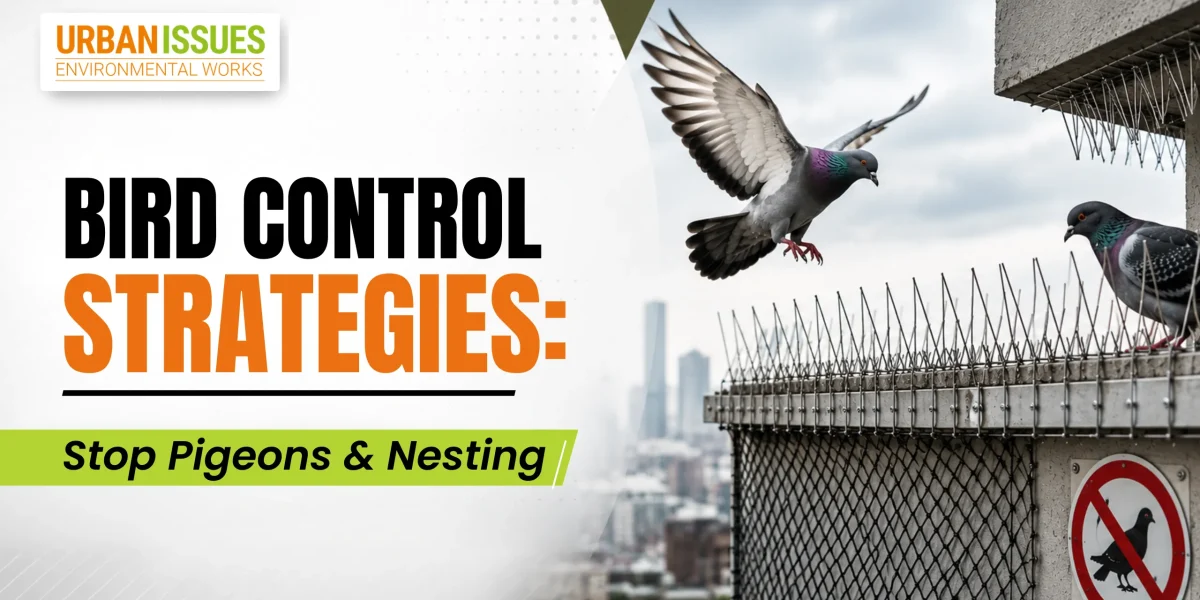
Bird infestations have become a common challenge across towns and cities throughout the UK. As urban areas continue to expand, birds such as pigeons, gulls, starlings, and sparrows are adapting remarkably well to man-made environments. Flat roofs, ledges, warehouses, solar panels, shopping centres, and residential blocks offer ideal nesting and roosting opportunities, creating ongoing issues for property owners and facilities managers.
While many people view birds as harmless, uncontrolled bird activity can result in significant maintenance costs, health concerns, and operational disruptions. Accumulations of bird faeces can damage building materials, nesting materials can block drainage systems, and persistent bird activity can negatively affect a property’s appearance and reputation.
Effective bird control strategies focus on preventing problems before they become costly. Modern bird control solutions combine humane deterrents, exclusion systems, habitat modification, and ongoing monitoring to create long-term protection for residential, commercial, and public-sector properties.
This guide explores the most effective bird control methods available today, explains when professional intervention is necessary, and outlines practical ways to protect buildings from nesting and roosting birds.
Understanding Bird Control and Why It Matters
What is Bird Control?
Bird control refers to the range of techniques used to discourage, manage, or prevent pest birds from nesting, roosting, or causing damage to buildings and surrounding environments.
Effective bird nest control management focuses on long-term prevention rather than simply removing birds once a problem has developed. There is an important distinction between bird deterrence and bird removal:
- Bird deterrence prevents birds from settling in the first place.
- Bird removal addresses existing infestations, nests, or accumulated waste.
Most successful bird control pest programmes rely on prevention because once birds establish nesting sites, they are far more likely to return repeatedly.
Common Pest Birds Found Around UK Properties
Several bird species are responsible for the majority of urban bird-related issues.
Pigeons
Feral pigeons are the most common urban pest birds in the UK. They frequently roost on ledges, rooftops, signs, and industrial structures.
Gulls
Gulls increasingly nest on commercial and residential rooftops, particularly in coastal and urban areas. They can become aggressive during breeding seasons and create significant noise disturbances.
Sparrows
Although small, sparrows often nest in roof voids and cavities, causing ventilation blockages and contamination issues.
Starlings
Starlings are known for gathering in large numbers. Their nesting and roosting behaviour can create substantial accumulations of droppings and debris.
Risks Associated with Pest Birds
Uncontrolled bird activity creates numerous challenges for property owners.
Structural Damage
Bird droppings, nests, and constant perching can accelerate deterioration of building materials.
Health Hazards
Accumulated bird waste may harbour bacteria, fungal spores, and parasites.
Business Reputation Risks
Bird infestations can create an unprofessional appearance for customers, tenants, and visitors.
Safety Concerns
Slippery walkways, blocked drainage systems, and nesting materials near electrical installations can create significant hazards.
The Hidden Dangers of Bird Faeces on Buildings
Health Risks Linked to Bird Droppings
Bird droppings are often underestimated as a health risk. However, dried bird faeces can become airborne when disturbed, creating potential exposure to harmful contaminants.
Common concerns include:
- Airborne fungal spores
- Bacterial contamination
- Respiratory irritation
- Allergic reactions
For facilities managers and employers, contaminated areas may also create workplace health and safety issues.
Property Damage Caused by Bird Faeces
Bird droppings contain acidic compounds capable of damaging various building materials over time.
Common forms of damage include:
- Corrosion of metal surfaces
- Deterioration of protective coatings
- Staining of brickwork and stone façades
- Damage to solar panels
- Accelerated wear of roofing materials
Why Professional Guano Removal Is Essential
Large accumulations of bird waste should never be treated as ordinary cleaning tasks.
Professional guano removal services help you with:
- Safe handling procedures
- Appropriate PPE use
- Specialist disinfectants
- Biohazard waste disposal compliance
- Protection of building materials
Removing contamination without proper procedures may increase health risks and spread harmful particles.
The Most Effective Bird Control Strategies Used Today
Bird Proofing as a Long-Term Prevention Method
The most successful bird proofing programmes focus on making buildings unattractive or inaccessible to birds. Prevention is generally more cost-effective than repeatedly cleaning droppings or removing nests.
By preventing birds from settling, property owners can significantly reduce ongoing maintenance costs and future infestations.
Physical Bird Exclusion Systems
Physical exclusion remains one of the most reliable forms of bird control.
Netting Systems
Bird netting creates a physical barrier that prevents birds from accessing protected areas. Ideal applications include:
- Warehouses
- Loading bays
- Roof structures
- Courtyards
Mesh Installations
Specialist mesh systems are commonly installed around roof voids, solar panels, and ventilation openings.
Access Point Sealing
Closing potential entry points helps to prevent birds from nesting within building cavities.
Behavioural Bird Deterrents
Behavioural deterrents encourage birds to relocate without causing harm.
Visual Deterrents
Examples include:
- Reflective devices
- Predator silhouettes
- Visual scare systems
Audio Deterrents
Sound-based systems can discourage certain species from settling.
Reflective Systems
Strategically positioned reflective materials can disrupt bird behaviour and reduce roosting.
Habitat Modification Techniques
Changing environmental conditions can significantly reduce bird activity.
Reducing Food Sources
Improper waste management frequently attracts pest birds.
Waste Management Improvements
Secure waste storage and regular cleaning reduce food availability.
Building Maintenance
Maintaining roofs, ledges, and access points removes opportunities for nesting.
Pigeon Bird Control: Special Solutions for the UK’s Most Common Pest Bird
Why Pigeons Choose Urban Buildings
Urban environments closely resemble the cliff-face habitats pigeons naturally favour.
Buildings provide:
- Shelter
- Warmth
- Elevated nesting locations
- Reliable food sources
This makes cities ideal environments for large pigeon populations.
Signs You Need Pigeon Bird Control
Warning signs include:
- Frequent pigeon activity
- Nesting materials on roofs
- Accumulations of droppings
- Blocked gutters
- Repeated roosting on ledges
Best Pigeon Control Solutions
Pigeon Proofing Systems
Effective Pigeon Proofing prevents access to favoured nesting and roosting areas.
Pigeon Deterrents
Modern pigeon deterrents include spikes, wire systems, and visual deterrents designed to discourage landing.
Anti-Roosting Methods
Anti-roosting systems prevent pigeons from establishing permanent resting sites.
Building Exclusion Techniques
Mesh and netting systems restrict access to vulnerable areas.
When Professional Pigeon Control Is Necessary
Professional pigeon bird control is often required when:
- Large populations are present
- Nesting activity is ongoing
- Commercial properties are affected
- Health risks have developed
- Repeated DIY efforts have failed
Bird Nest Problems: What Property Owners Need to Know
Why Birds Build Nests Around Commercial Properties
Commercial buildings often provide ideal nesting opportunities because of:
- Warm roof spaces
- Structural cavities
- Sheltered ledges
- Minimal disturbance
Risks Created by Bird Nests
Fire Hazards
Dry nesting materials near electrical equipment increase fire risk.
Blocked Ventilation
Nests can obstruct airflow and ventilation systems.
Pest Attraction
Bird nest often attract mites, insects, and other pests.
Legal Considerations Before Removing a Bird Nest
Many bird species are protected under UK wildlife legislation.
Removing active nests without proper assessment may be unlawful.
Professional advice should always be sought before disturbing nests.
Safe and Humane Bird Nest Management
Humane management focuses on:
- Timing interventions correctly
- Using exclusion methods
- Preventing future nesting
- Complying with wildlife regulations
Bird Proofing Solutions for Different Property Types
Residential Buildings
Homes benefit from bird spikes, roof bird proofing, and solar panel protection systems.
Commercial Properties
Offices, retail premises, and mixed-use developments often require comprehensive anti-bird systems.
Warehouses and Industrial Facilities
Large industrial sites frequently rely on bird netting and exclusion systems.
Schools, Hospitals, and Public Buildings
Sensitive environments require discreet, humane bird control measures that minimise disruption.
Solar Panel Bird Proofing
Birds often nest beneath solar panels, causing contamination and reduced efficiency. Solar panel proofing systems prevent access while protecting energy generation performance.
How to Choose the Right Pigeon Deterrents for Your Property
Factors to Consider
Bird Species
Different birds respond differently to deterrent systems.
Building Design
Architectural features influence the most effective solution.
Budget
Initial installation costs should be weighed against long-term maintenance savings.
Long-term Maintenance
Some systems require periodic inspection and upkeep.
Comparing Popular Pigeon Deterrents
| Solution | Best For | Longevity | Maintenance |
| Bird Netting | Large areas | High | Low |
| Bird Spikes | Ledges & signs | High | Low |
| Bird Wire Systems | Architectural features | Medium-High | Low |
| Visual Deterrents | Temporary control | Low | Medium |
Integrated Bird Control Pest Management: A Smarter Approach
Inspection and Risk Assessment
Every effective bird control pest programme begins with a detailed site assessment.
Monitoring Bird Activity
Monitoring identifies behavioural patterns and high-risk areas.
Combining Multiple Bird Control Methods
The most effective programmes combine:
- Bird proofing
- Exclusion systems
- Deterrents
- Habitat management
Ongoing Maintenance and Prevention
Regular inspections ensure bird control measures continue performing effectively.
Urban Issues Insight: Why Bird Control is Becoming a Major Urban Challenge
How Urban Development is Changing Bird Behaviour
As cities expand, natural habitats continue to shrink. Birds increasingly rely on urban infrastructure for shelter and food.
Growing Challenges for Facilities Managers and Property Owners
Modern buildings present unique challenges, including complex roof structures, solar panel installations, and large-scale commercial developments.
Sustainable Bird Control Solutions for Modern Cities
Sustainable bird management focuses on humane bird control techniques that balance environmental responsibility with property protection.
The Future of Urban Bird Management
Future bird control methods are likely to incorporate smarter monitoring systems, environmentally sensitive deterrents, and integrated urban pest management approaches.
Conclusion
Effective Bird Control Strategies are no longer optional for many UK property owners. Rising bird populations, increasing urban development, and the growing costs associated with contamination and building damage make proactive management essential.
The most successful approach combines bird proofing, pigeon deterrents, exclusion systems, habitat modification, and ongoing monitoring. Early intervention not only prevents costly repairs but also protects public health, preserves property value, and reduces long-term maintenance requirements.
If you have noticed signs of bird activity, nesting, or accumulating bird faeces on your property, arranging a professional site assessment is often the most effective next step. A tailored bird management strategy can identify risks early and provide long-term protection for your building, occupants, and visitors.

Frequently Asked Questions About Bird Control Strategies
What is the most effective bird control method?
The most effective bird control method is usually a combination of bird proofing and exclusion systems. Physical barriers such as bird netting, spikes, and mesh provide long-term protection because they prevent birds from accessing key nesting and roosting locations.
Are pigeon deterrents humane?
Yes, modern pigeon deterrents are designed to be humane. Their purpose is to discourage birds from landing or nesting rather than causing harm.
How long does bird proofing last?
High-quality bird proofing systems can last for many years. The lifespan depends on the materials used, environmental conditions, and ongoing maintenance.
Can bird nests be removed legally?
Some bird nests can be removed legally, but active nests may be protected under UK wildlife legislation. Always seek professional guidance before attempting removal.
Is bird control necessary for commercial buildings?
Yes. Commercial bird control helps protect property, reduce health risks, maintain compliance, and preserve professional appearance.
How do I stop pigeons from returning?
Preventing pigeons from returning requires a combination of pigeon proofing, habitat management, and effective deterrent systems. Simply removing birds rarely provides a permanent solution.
What should I do about bird faeces on my property?
Large accumulations of bird faeces should be professionally cleaned. Specialist cleaning ensures safe removal, disinfection, and compliance with health and safety standards.